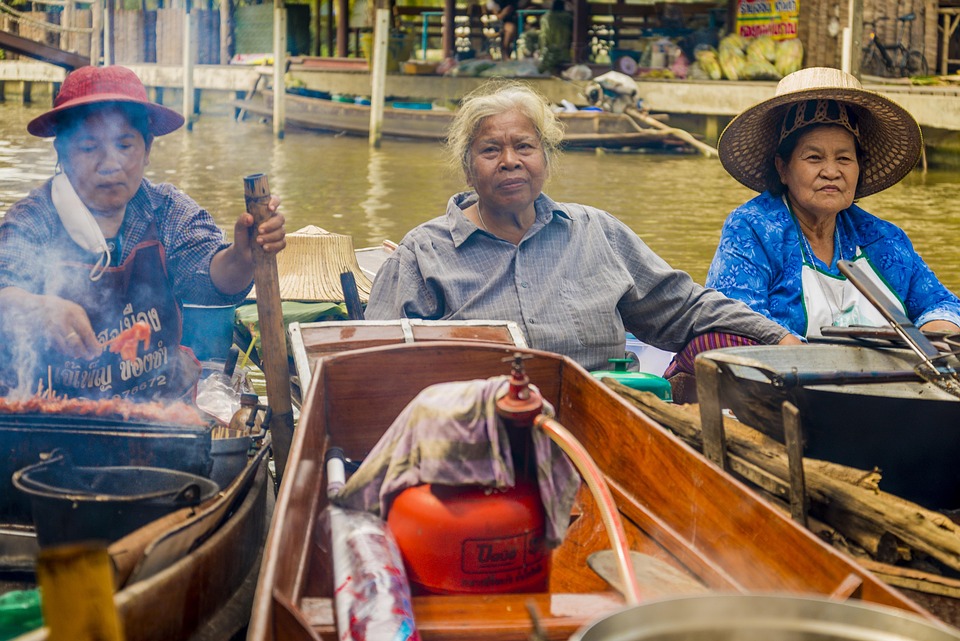

Introduction to Floating Markets
Bangkok is a city that embodies a rich tapestry of culture, culinary delights, and unique experiences. One of its most enchanting aspects is its floating markets, where vendors sell fresh produce, traditional foods, and handicrafts from colorful wooden boats. These markets not only provide a vibrant shopping experience but also offer a glimpse into the traditional way of life along the waterways of Thailand.
History of Floating Markets
The concept of floating markets has its roots in the early days of Thai civilization when rivers served as the main transportation routes. Villagers from surrounding areas would gather at these markets to buy and sell goods, making it essential for trade and social interactions. Over time, many floating markets have evolved, blending commerce with tourism while retaining their cultural significance.
Top Floating Markets to Explore
Damnoen Saduak Floating Market
Located about 100 kilometers southwest of Bangkok, Damnoen Saduak is arguably the most famous floating market in Thailand. Known for its vibrant atmosphere and picturesque scenery, this market is best visited early in the morning. Visitors can navigate the canals in long-tail boats, exploring the myriad of vendors selling everything from tropical fruits to delicious street food.
Taling Chan Floating Market
Taling Chan is a more local option located just a short drive from the city center. Here, you’ll find a relaxed ambiance, with fewer tourists compared to Damnoen Saduak. The market operates mainly on weekends and features an array of food stalls serving authentic Thai dishes such as grilled seafood and coconut pancakes.
Khlong Lat Mayom Floating Market
This hidden gem is an excellent choice for those who wish to escape the crowds. Khlong Lat Mayom offers a mix of food and local handicrafts, making it a great spot for shopping and sampling local delicacies. The market also provides boat tours through the canals, allowing visitors to connect with the serene nature surrounding them.
Culinary Delights at Floating Markets
No visit to Bangkok’s floating markets is complete without indulging in the incredible food on offer. The markets are brimming with flavors that reflect Thai culinary traditions. Here are some must-try dishes:
- Pad Thai: This iconic stir-fried noodle dish is a must-try, typically served with peanuts, lime, and fresh bean sprouts.
- Boat Noodles: Served in small bowls, these flavorful noodle soups are often made with beef or pork and packed with spices.
- Coconut Ice Cream: A refreshing treat, this creamy dessert is often served in a coconut shell and topped with a variety of toppings.
- Grilled Seafood: From prawns to fish, vendors grill fresh seafood right before your eyes, making for a tasty snack.
Preparing for Your Visit
Visiting the floating markets can be an exhilarating experience. To make the most of your trip, consider the following tips:
- Timing: Arrive early in the morning to avoid the crowds, especially at popular markets like Damnoen Saduak.
- Transportation: Use public transport, such as the MRT or BTS, to get to your desired market. For Damnoen Saduak, consider joining a guided tour for convenience.
- Cash is King: Keep cash handy, as most vendors do not accept credit cards.
- Dress Comfortably: Wear light clothing and comfortable footwear as you may walk around in the sun or wet surroundings.
Understanding Local Culture
The floating markets aren't just about shopping and eating; they're also about community and culture. As you navigate through the bustling streets and winding canals, take time to observe the local customs:
- Respect Vendors: The vendors often spend long hours at their stalls. A friendly smile and acknowledgment go a long way.
- Slave to Tradition: Many vendors continue to use traditional cooking methods, reflecting the rich history of Thai cuisine.
- Community Spirit: The markets are gathering places for locals. Engaging with vendors can provide insights into the daily lives of Thai people.
Conclusion
Exploring Bangkok’s floating markets offers more than just shopping; it’s a journey into the heart of Thai culture and culinary richness. From the bustling sights and sounds to the tantalizing flavors, these markets promise unforgettable experiences for both locals and tourists alike. Don’t forget to take your time, soak in the vibrant atmosphere, and indulge in the diverse offerings these markets provide. A visit to Bangkok wouldn’t be complete without a memorable day at the floating markets.
FAQs
What is the best time to visit Bangkok’s floating markets?
The best time to visit is early in the morning, around 6 AM to 9 AM, to avoid crowds and experience the freshest offerings.
Are floating markets tourist-friendly?
Yes, many floating markets are designed for tourists, featuring signs in English and a variety of international foods while still retaining local flavors.
Is it safe to eat food from vendors at the floating markets?
Generally, yes. The food is freshly prepared, and vendors prioritize cleanliness, but always use your judgment and look for busy stalls as a sign of freshness.
How do I get to the floating markets from Bangkok city?
Public transport options like the MRT or BTS can get you close. For farther markets like Damnoen Saduak, consider a guided tour or a taxi for convenience.
Can I find handicrafts at the floating markets?
Yes, many floating markets sell unique handicrafts alongside food, making them perfect for souvenirs.