
Introduction
Bangkok, the vibrant capital of Thailand, is renowned for its rich culture, stunning temples, and bustling streets. Among its many attractions, the floating markets stand out as a unique shopping experience that immerses visitors in the lively atmosphere and culinary delights of Thai life. From colorful boats brimming with fresh produce to the tantalizing aromas of local delicacies, these markets are a feast for the senses. In this article, we will explore some of Bangkok’s most famous floating markets and uncover the waves of flavor that await you.
The Allure of Floating Markets
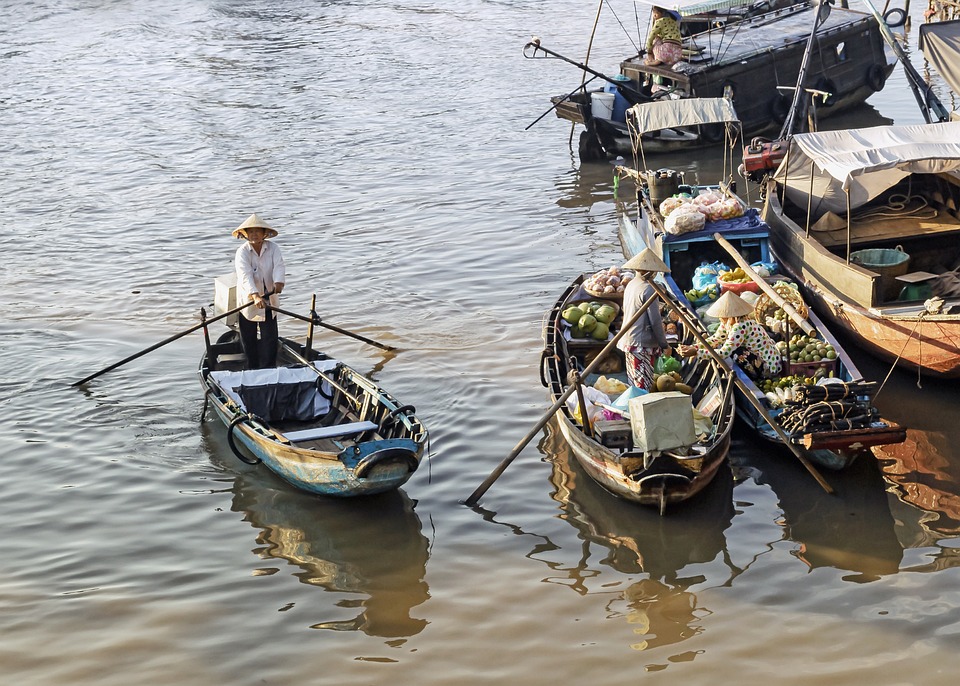
Floating markets are not just about shopping; they are a window into traditional Thai culture, reflecting the way of life that has existed for centuries. Historically, these markets were essential for trade among villages and merchants, allowing people to sell their goods directly from boats. Today, they have evolved into popular tourist destinations, offering a chance to indulge in a slice of local life while sampling delicious foods.
Historical Significance
Historically, Bangkok was a network of canals, making river transport vital for trade. The floating markets developed along these waterways, where sellers would row their boats filled with a variety of products, from fruits and vegetables to handmade crafts. Though modernity has transformed the landscape, a few floating markets still retain their charm, showcasing a glimpse of traditional commerce.
Top Floating Markets in Bangkok
Damnoen Saduak Floating Market
One of the most famous floating markets, Damnoen Saduak is located about 100 kilometers southwest of Bangkok. It draws both tourists and locals alike. Visitors can hire a long-tail boat to cruise through the canals, where they can purchase everything from fresh coconuts to hearty noodle dishes.
Talad Nam Khlong Phadung Krung Kasem
Less touristy and closer to the city center, Talad Nam Khlong Phadung Krung Kasem is a lovely floating market that opens on weekends. It is filled with quaint wooden boats selling traditional Thai snacks and desserts, making it an ideal place to sample local flavors without the tourist throng.
Taling Chan Floating Market
Taling Chan is another local favorite, known for its relaxing vibe and fresh seafood dishes cooked right on the boats. The market is more family-oriented and perfect for a day out. Here, you can enjoy authentic Thai meals while lounging by the water, making it a peaceful retreat from the bustling city.
Waves of Flavor: Culinary Discoveries
Each floating market offers a unique culinary experience, where foodies can discover diverse flavors and local dishes. Here’s a taste of what to expect:
Traditional Thai Dishes
From pad thai and som tam (papaya salad) to boat noodles, the floating markets present an array of classic dishes that are both flavorful and satisfying. The food stall owners often prepare their dishes in front of you, adding to the authenticity of the experience.
Exotic Fruits
Thailand is known for its exotic fruits like mangosteen, rambutan, and dragon fruit. At the floating markets, you can sample these delightful treats, often sold fresh or in refreshing juices. Vendors might offer little taste tests, making it hard to resist trying everything!
Sweet Delicacies
Don’t forget the desserts! Local sweets such as mango sticky rice and coconut custard are must-tries. The markets often feature vendors serving traditional Thai desserts prepared with ingredients like coconut milk, sugar, and sticky rice, making for perfect sweet endings to your culinary journey.
Tips for Navigating Floating Markets
Best Time to Visit
To fully enjoy the experience, it’s best to visit the floating markets early in the morning. This is when they are most lively, and you’ll see the vendors setting up their boats, offering freshly cooked dishes and local produce.
How to Get There
Many floating markets are easily accessible via public transport. You can take a taxi, boat, or even a guided tour that includes transportation. Make sure to check local schedules, as some markets are open only on weekends.
Have Cash Ready
While some vendors may accept digital payments, it’s wise to carry cash, especially smaller denominations. This will make transactions smoother and help you avoid any confusion when bargaining for items.
Conclusion
Bangkok’s floating markets offer a delightful combination of culture, flavor, and experience that captivates travelers. The vibrant atmosphere, delicious food, and unique shopping opportunities create an unforgettable outing for anyone looking to immerse themselves in Thai culture. Whether you’re a foodie, a culture enthusiast, or simply seeking an adventure, a visit to these floating markets will undoubtedly leave you with vivid memories and a taste of the local way of life.
FAQs
1. Are floating markets open every day?
No, most floating markets have specific operating days. For instance, Taling Chan is typically open on weekends, while Damnoen Saduak is open daily. Always check local schedules before planning your visit.
2. How much should I expect to spend at the floating markets?
Prices vary depending on what you purchase, but most food items range from 30 to 100 Thai Baht (about 1-3 USD), making it an affordable option for tasty local meals and snacks.
3. Can I take a boat ride at the floating markets?
Yes, many floating markets offer boat rides. You can either hire a boat to paddle through the canals or join guided boat tours that include visits to various stalls and vendors.
4. Is it necessary to speak Thai to shop at floating markets?
While knowing some basic Thai phrases can enhance your experience, many vendors are used to tourists and often speak basic English. Don’t hesitate to point or use gestures if language becomes a barrier.
5. What’s the best way to navigate the crowd at floating markets?
Arriving early can help you avoid the crowds and enjoy a more leisurely experience. Staying patient and moving with the flow of visitors will make it easier to explore and fully engage with the stalls.