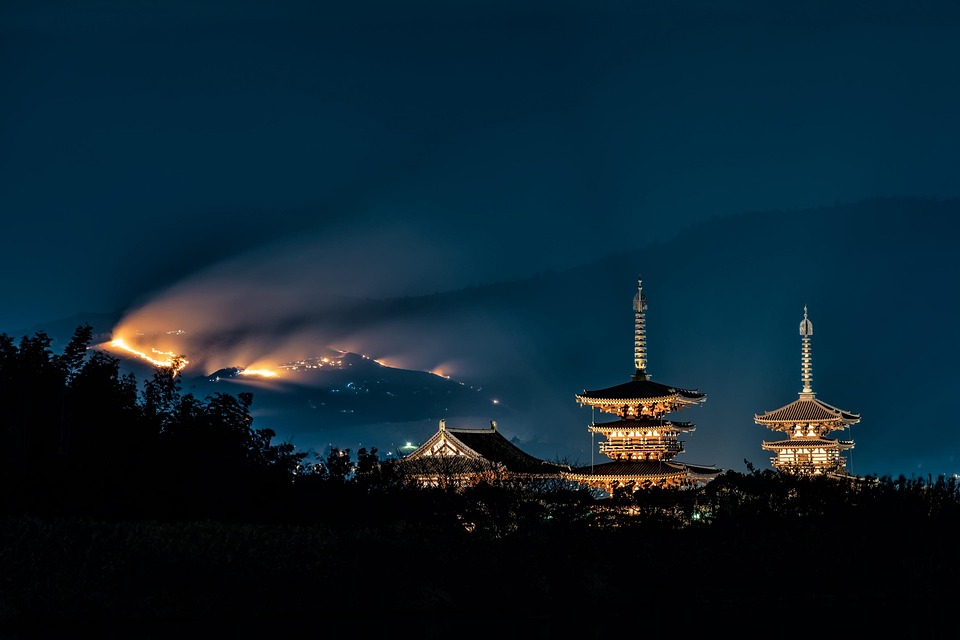

A Spiritual Sojourn: Unveiling Bangkok’s Hidden Temple Gems
Bangkok, the bustling capital of Thailand, is renowned for its vibrant streets, sumptuous street food, and an impressive array of historical sites. Among these, the city’s temples stand out as bastions of spirituality and culture. While many tourists flock to well-known temples like Wat Pho and Wat Arun, a treasure trove of hidden gems awaits those willing to venture off the beaten path. This article aims to unveil some of Bangkok's lesser-known temples, rich in history and spiritual significance.
1. Wat Ratchanatdaram: The Temple of the Metal Monks
Situated near the Grand Palace, Wat Ratchanatdaram is often overlooked by visitors. Constructed in 1846, this stunning temple is known for its unique architecture, specifically the Loha Prasat or the Metal Castle. The structure features 37 spires representing the 37 virtues towards enlightenment in Buddhism. As you wander through the temple grounds, you can find not only tranquility but also a chance to interact with the monks and seek blessings.
2. Wat Saket: The Golden Mount
Wat Saket, or the Golden Mount, is another hidden treasure nestled in the heart of Bangkok. This temple is famous for its hilltop chedi, which offers breathtaking views of the city. The climb may be steep, but the journey is serene, with 300 steps shaded by lush trees. The temple's history dates back to the Ayutthaya period, and it serves as a pilgrimage site during the annual Loy Krathong festival. The ambiance is peaceful, providing a perfect retreat from the city's chaos.
3. Wat Maha That: The Temple of the Great Relic
While Wat Maha That is often overshadowed by more popular temples, it is a significant location for both locals and tourists alike. This temple is famous for holding a relic of the Buddha. The architecture is exquisite, showcasing intricate designs and large Buddha statues. A notable feature is the overgrown tree entwined with a Buddha head—an iconic symbol of Bangkok's spiritual journey that speaks to the harmony between nature and faith.
4. Wat Kalayanamitr: The Temple of Benevolence
Located along the Thonburi side of the Chao Phraya River, Wat Kalayanamitr offers a tranquil escape along with a spiritual experience. Notable for its impressive 18-foot tall Buddha statue, this temple reflects a calm, contemplative atmosphere. The temple also features striking murals depicting the stories of the Buddha's life, inviting visitors to immerse themselves in Buddhist teachings. The riverfront setting enhances its peaceful allure, making it an ideal spot for reflection.
5. Wat Bang Po: The Temple of the Merciful Buddha
Situated in the northern end of Bangkok, Wat Bang Po is a charming temple that showcases a blend of Thai and Chinese influences. The temple’s ornate decorations and murals reflect its rich cultural heritage. Visitors can interact directly with the monks and local people practicing their faith, which adds a personal touch to the visit. This temple, often frequented by locals, offers a glimpse into the daily spiritual lives of Bangkok residents.
Experiencing the Spirituality of Bangkok
A visit to these hidden temple gems offers a unique opportunity to delve deeper into the spiritual fabric of Bangkok. They provide a serene atmosphere away from the hustle and bustle of the city, allowing visitors to rejuvenate and reflect. Each temple tells a story, enriched with cultural heritage and tradition, inviting travelers to engage with the local customs and beliefs.
Engagement with Local Monks
Many of these lesser-known temples encourage interaction with monks. These spiritual guides are often more than willing to share their wisdom, so don’t hesitate to ask questions. The experience of sitting with a monk, perhaps during a meditation session, can be transformative. Engaging in a dialogue about Buddhist teachings can deepen your understanding of this ancient philosophy.
Participating in Local Events
Another way to fully immerse yourself in Bangkok's spiritual culture is by participating in local temple festivals and ceremonies. These events often include chanting, almsgiving, and gatherings where locals come together to celebrate. Attending these events can provide insight into the communal aspects of Buddhism and showcase how the faith shapes the daily lives of Bangkok’s residents.
Conclusion
Bangkok is much more than a city of commerce and tourism; it is a living tapestry of spirituality woven through its temples. While many may visit the well-known sites, the hidden gems offer an enriching experience that connects you with the essence of Thai culture and spirituality. Each temple is a doorway into a world where tranquility reigns, and ancient traditions flourish. As you explore these lesser-known temples, you not only enrich your travel experience but also unearth the profound spirituality that permeates the heart of this enchanting city.
FAQs
1. What dress code should I follow when visiting temples in Bangkok?
It is essential to dress modestly when visiting temples. Men should wear long pants and short or long-sleeved shirts, while women should wear long skirts or pants and cover their shoulders. Avoid wearing sleeveless tops and revealing clothing.
2. Are these hidden temples accessible to tourists?
Yes, most of these temples are accessible to tourists, although they may be less frequented than popular sites. Public transport, such as tuk-tuks and riverboats, can make visiting these locations convenient.
3. Can I take photographs inside the temples?
Photography policies vary from temple to temple. Generally, you can take photos of the architecture and surrounding grounds, but be respectful and refrain from taking pictures during ceremonies or of the monks unless permitted.
4. Is it expected to donate when visiting a temple?
While not mandatory, donations are appreciated to help with the maintenance of the temples and support the monks. If you feel inclined, a small donation is a meaningful gesture.
5. Are English-speaking guides available in these hidden temples?
Some hidden temples may have English-speaking monks or staff who are willing to provide insights. It is also common to find local guides available for hire who can enhance your experience with their knowledge of Buddhist history and culture.