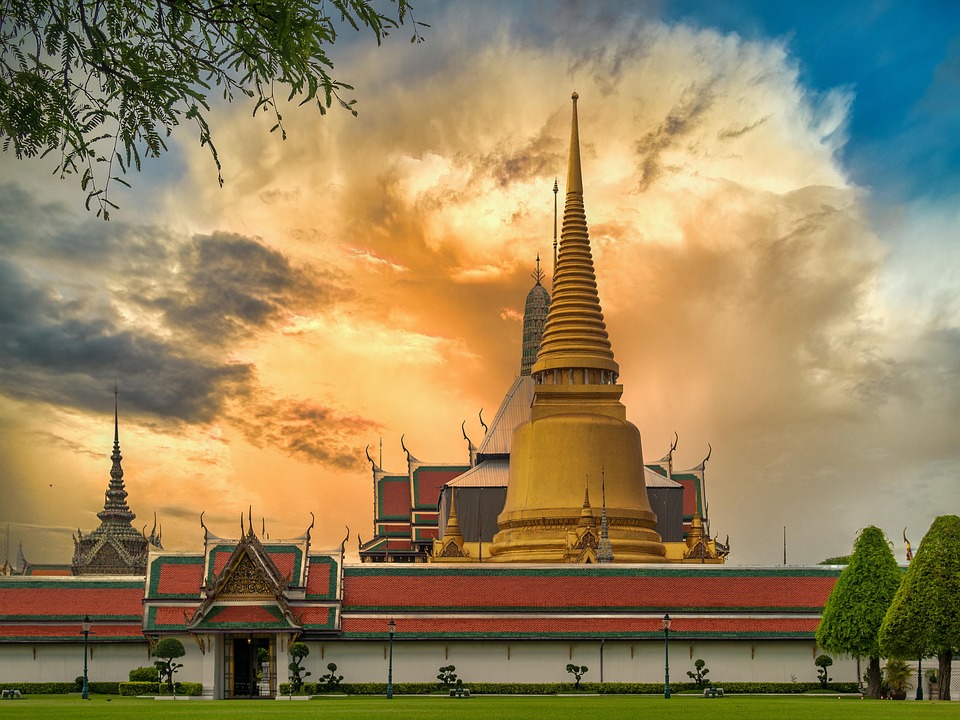

Royal Heritage: The Palaces of Bangkok and Their Cultural Significance
Bangkok, the vibrant capital of Thailand, is not only known for its bustling markets and street food but also for its rich royal heritage. The city is home to a plethora of stunning palaces that reflect the grandeur and intricate details of Thai architecture and culture. These historical landmarks provide insight into Thailand's monarchy and its influence on the nation's identity. This article delves into the most significant palaces in Bangkok, exploring their architectural features, historical importance, and cultural significance.
The Grand Palace
The Grand Palace is undoubtedly the crown jewel of Bangkok's palatial structures. Constructed in 1782, it served as the official residence of the kings of Siam. The complex is a stunning mix of traditional Thai and European architectural styles, showcasing intricate details such as golden stupas, ornate murals, and vibrant tiling.
- Architectural Features: The palace features a blend of classical Thai architecture and Western influences. The Emerald Buddha Temple, located within the palace grounds, is perhaps the most famous structure, enshrining a revered Buddha statue carved from jade.
- Historical Importance: The Grand Palace was the administrative center of Thailand for over 150 years and continues to play a significant role in royal ceremonies, including coronations and state functions.
- Cultural Significance: The location is not only a symbol of the Thai monarchy but also a site of national pride and pilgrimage, attracting millions of visitors annually.
Wat Phra Kaew
Adjacent to the Grand Palace, Wat Phra Kaew (Temple of the Emerald Buddha) is considered the most sacred Buddhist temple in Thailand. It houses the Emerald Buddha, a highly revered religious artifact that symbolizes the Thai nation.
- Architectural Features: The temple exhibits the brilliant craftsmanship of Thai artisans, adorned with intricate mosaics and murals that narrate Buddhist teachings and Thai history.
- Historical Importance: Originally built to house the Emerald Buddha, the temple has been a focal point of Thai spirituality and royalty since its inception.
- Cultural Significance: Each season, the Emerald Buddha is adorned in different attire, reflecting the changing seasons, and this tradition is an essential aspect of Thai cultural identity.
Bang Pa-In Palace
Located about 60 kilometers north of Bangkok, Bang Pa-In Palace, also known as the Summer Palace, was established in the 17th century during the Ayutthaya period. It was later renovated by King Chulalongkorn (Rama V) in the late 19th century, blending various architectural styles.
- Architectural Features: The palace complex includes structures of various designs, from Thai to Chinese, and even Gothic influences. The beautiful gardens and lakes surrounding the palace add to its charm.
- Historical Importance: Bang Pa-In served as a summer retreat for the monarch, a place where royal gatherings and ceremonies took place away from the hustle and bustle of Bangkok.
- Cultural Significance: The palace symbolizes the evolving nature of Thai architecture and royal practices, showcasing a harmonious blend of tradition and modernity.
Vimanmek Mansion
Vimanmek Mansion is the world's largest teakwood building, built in the early 20th century during the reign of King Rama V. It now serves as a museum, showcasing royal artifacts and historical documents.
- Architectural Features: The grandeur of the mansion lies in its intricate wooden structure, featuring elaborate carvings and golden decorations that reflect the elegance of Thai craftsmanship.
- Historical Importance: The mansion was originally King Rama V's royal residence and symbolizes the modernization of the Thai monarchy as it transitioned into contemporary governance.
- Cultural Significance: The mansion represents the royal family's deep connection to Thai culture and history, preserving the memory of the past for future generations.
The National Museum of Royal Barges
While not a traditional palace, the National Museum of Royal Barges showcases the stunning royal barges used during ceremonial occasions. These ornate boats are masterpieces of craftsmanship, adorned with intricate carvings and paintings, often representing various mythical creatures.
- Architectural Features: The barges are designed based on traditional Thai aesthetics, and their vibrant decorations reflect the cultural significance of water in Thai society.
- Historical Importance: These vessels were once used in important royal ceremonies, symbolizing the power and prestige of the monarchy.
- Cultural Significance: Royal barges remain an important aspect of Thai cultural festivities, showcasing the royal traditions that continue to influence modern Thailand.
The Influence of Royal Palaces on Thai Society
The royal palaces of Bangkok serve as essential cultural landmarks, shaping the identity and history of Thailand. They are not merely architectural wonders but are embodiments of the Thai monarchy's enduring influence and the country's rich traditions. These palaces and temples continue to attract tourists and worshippers alike, preserving the legacy of Thai culture.
Moreover, the palaces facilitate the preservation of traditional arts and crafts, as the intricate designs and decorations require skilled artisans to maintain and replicate. This connection to craftsmanship is crucial for sustaining the cultural heritage of Thailand.
Conclusion
Bangkok's palaces are not just a collection of buildings; they symbolize the heart of Thai culture, tradition, and heritage. From the grandeur of the Grand Palace to the serene beauty of the Summer Palace, each structure narrates a story that connects the past to the present. These royal sites serve not only as tourist attractions but also as vital links to the traditions and historical narratives that define Thailand. Understanding their significance allows us to appreciate the depth of Thai culture and the enduring legacy of its monarchy.
FAQs
What is the best time to visit the palaces in Bangkok?
The best time to visit Bangkok's palaces is during the cool and dry season, from November to February, when the weather is more pleasant for sightseeing.
Are there any dress codes for visiting the royal palaces?
Yes, visitors are required to wear appropriate attire. Men should wear long pants and a shirt with sleeves, while women should wear a long skirt or dress. Inappropriate clothing, such as shorts or sleeveless tops, is not permitted.
Is there an entry fee for the palaces?
Yes, most of the major palaces, including the Grand Palace and Wat Phra Kaew, have an entry fee. Fees can vary, so it is advisable to check in advance.
Can I take photographs inside the palaces?
Photography rules vary by palace. Generally, photography is allowed in some areas but prohibited in sacred spaces, such as prayer halls. Always check the specific guidelines before taking photos.